
MARTIAL ARTS FIRST AID KIT
Rapid Recovery & Mobility Restoration for Martial Artists For Judo • Jiu-Jitsu • Wrestling • Muay Thai • Karate • Kempo • Taekwondo • Kung Fu • Krav Maga • Kickboxing & More
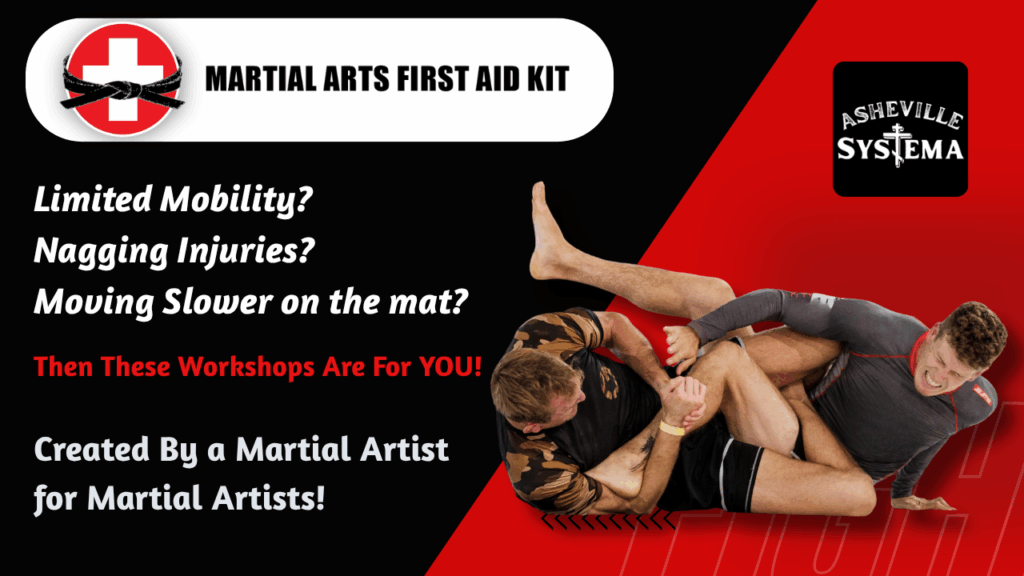
Training Takes a Toll
If you’ve trained long enough, your body has the receipts.
The stiff shoulder that never fully recovered.
The ankle that still rolls too easily.
The wrist you tape before every class.
The neck that feels compressed after every hard round.
You’ve earned your stripes, your rank, your scars — but here’s the truth most martial artists don’t want to hear:
Going hard is necessary — rolling, sparring, clinching, getting after it…
But if you don’t pair intensity with recovery, you’re speeding toward the one thing you fear most:
The Adjustment That Keeps You Training for Decades
As you get older, recovery isn’t optional — it’s a skill.
And one that most martial artists never learn until it’s too late.
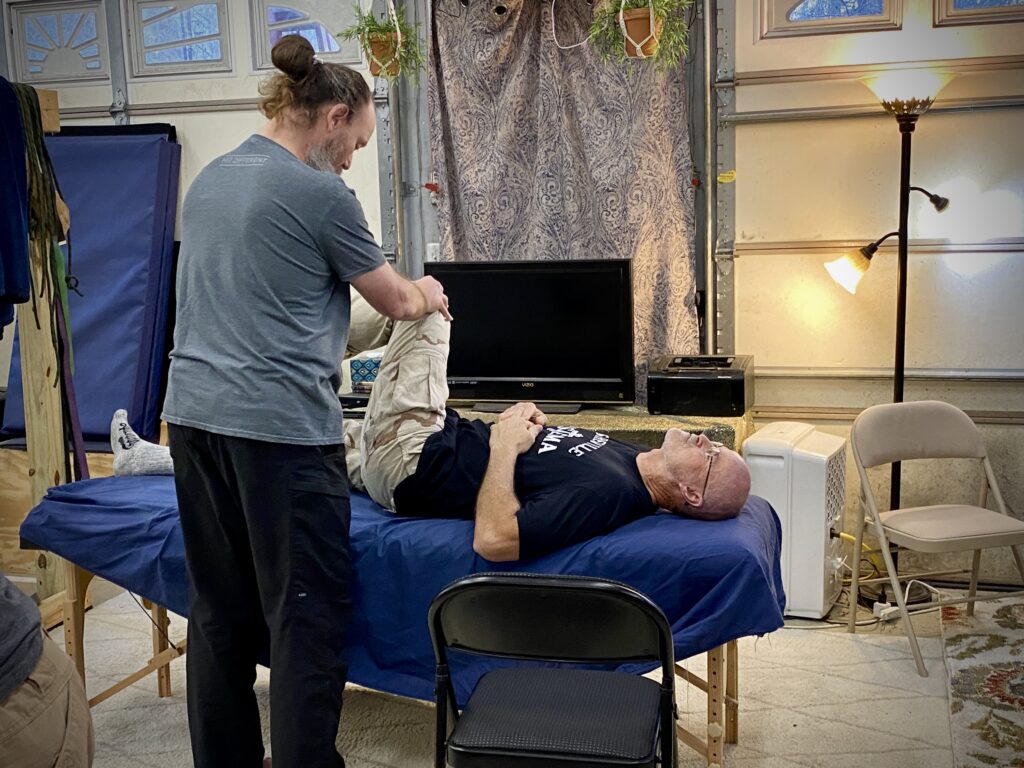
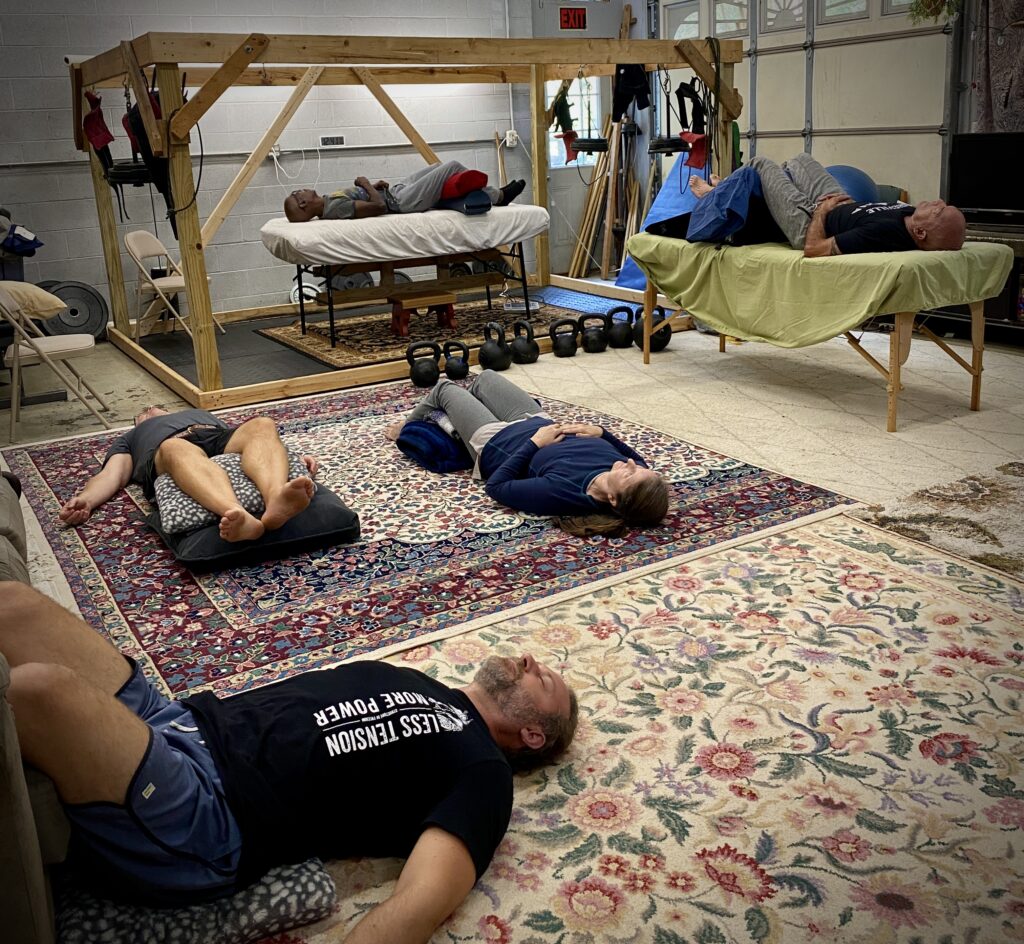
These 4-hour, hands-on workshops are designed to teach you how to:
- Release old tension patterns
- Restore mobility
- Calm the nervous system
- Move the way you used to: fluidly, powerfully, pain-free
Small tweaks. Small shifts.
Big results.

Common Injuries Addressed
Neck
- Neck cranks & choke tension
- Herniated or bulging discs
- Chronic tightness & nerve irritation
Shoulders
- Kimuras, Americanas, Omoplatas
- Frozen shoulder, limited range
- Postural strain from rolling or striking
Elbows
- Arm bars & hyperextension
- Pain at end-range flexion/extension
- Lingering inflammation
Wrists
- Wrist locks & compression strain
- Carpal tunnel, forearm tightness
- Difficulty gripping (gi, glove, weapon)
What You’ll Leave With
- Noticeably increased range of motion
- Reduced pain, stiffness, and achiness
- Techniques you can use before, during, and after training
- A first-aid toolkit that makes recovery part of your practice
These methods work instantly — no force, no pain, no risk.
How It Works (The Method Behind the Results)
The techniques in these workshop are based on:
Martial arts principles, and
Osteopathic Positional Release (Strain/Counterstrain)
This is the opposite of “grinding through pain.”
It’s about teaching your body how to let go.
You’ll experience how a small, precise positional shift can:
- Release a locked joint
- Calm the nervous system
- Restore movement immediately
- Reduce years of stored tension
Imagine your body unlocking instead of resisting.
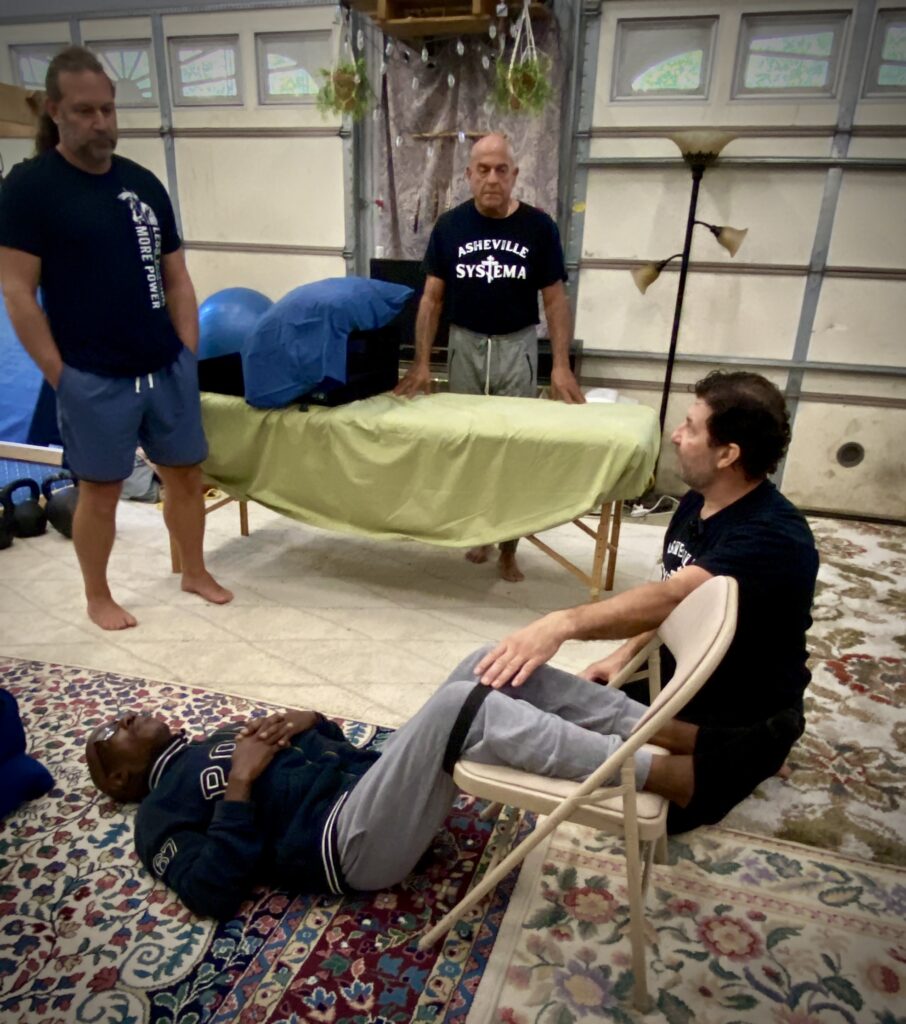
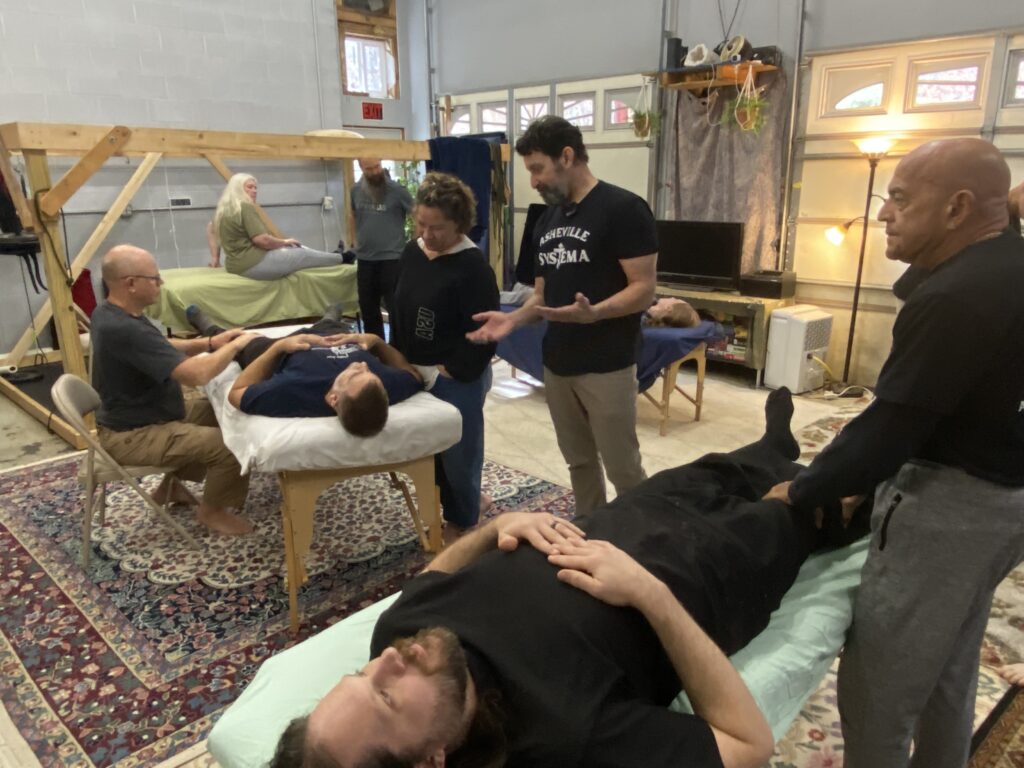
Learn more about your Instructor Bill Parravano.
Important Note
This workshop does not repair:
- Broken bones
- Torn tendons, ligaments, or muscles
However — by releasing the protective tension patterns around old or new injuries, the body can:
- Heal faster
- Regain mobility
- Reduce compensation
- Dramatically decrease pain